
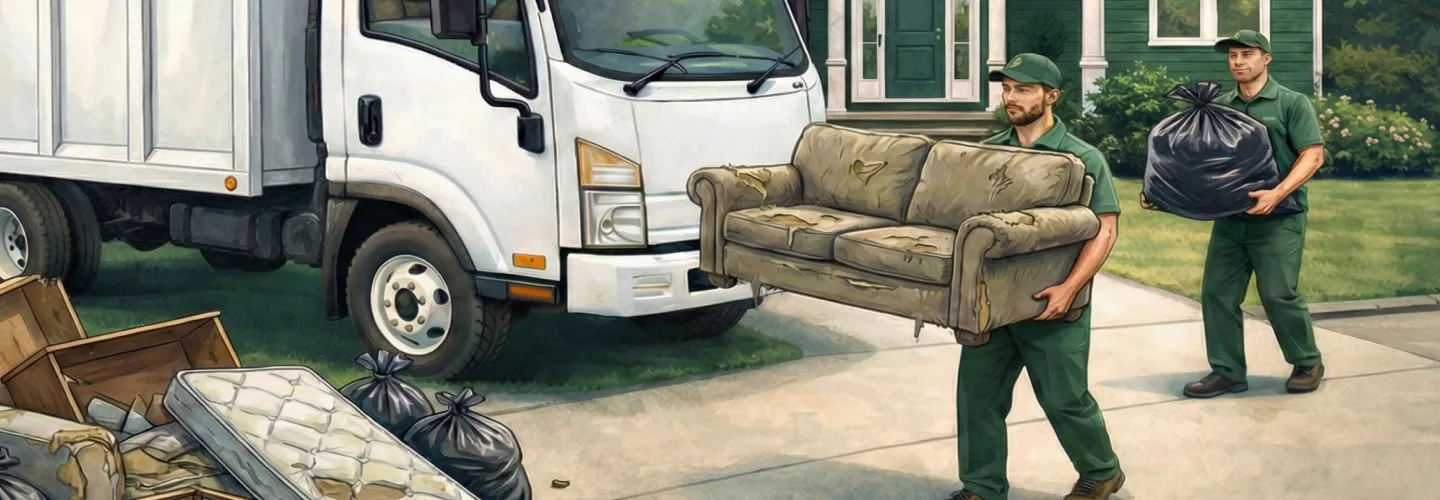
Boston Construction Waste Management Services
Choose us for your construction waste management needs and experience hassle-free, eco-friendly disposal with prompt service, transparent pricing, and a commitment to keeping your project sites clean and compliant.
Get a Free QuoteOur Boston Junk Removal Services
Construction Waste Management in Boston, MA – Local Service Guide
Effective construction waste management in Boston, MA is essential for both residential and commercial projects, ensuring compliance with local regulations and minimizing environmental impact. In neighborhoods like Jamaica Plain and South Boston, residents often need to dispose of items such as old furniture, appliances, or hot tubs during seasonal cleanouts, renovations, or after major life events. Options include donation, recycling, or proper disposal, with logistics influenced by weather, property access, and item size. For residential spaces like garages, basements, and yards, spring and fall cleanouts are common, especially in flood-prone or tree-heavy areas, with city trash pickup schedules dictating timing.
Commercial sectors—such as offices in the Financial District or restaurants in Back Bay—face unique challenges, including high waste volumes, strict operational timelines, and the need for discreet, coordinated removal. Specialty services like dumpster rentals or estate cleanouts require careful planning, especially for construction debris or hoarding situations, often involving multiple parties and adherence to Boston’s property guidelines.
Benefits of Construction Waste Management in Boston
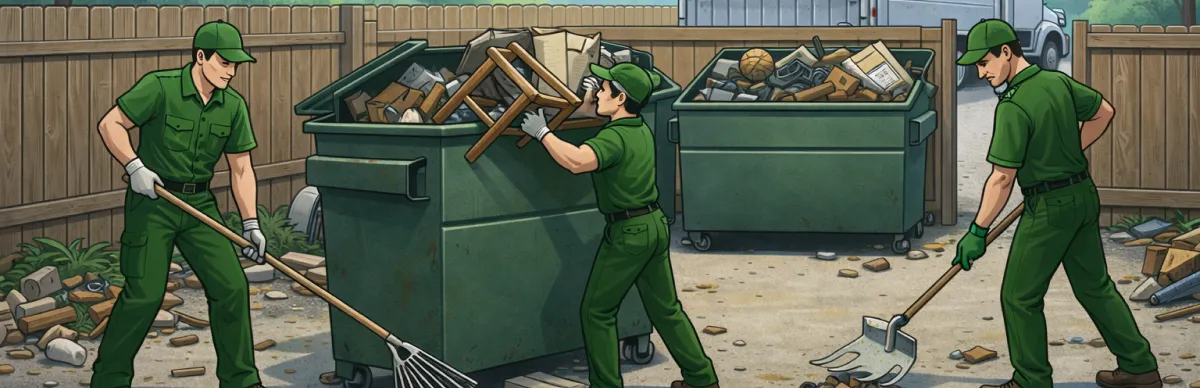
Efficient Debris Removal
Regulatory Compliance
Cost-Effective Solutions
Eco-Friendly Disposal
Improved Site Safety
Streamlined Project Timelines
Coordinating Construction Waste Disposal with Boston’s Public Works Department
Effective construction waste management in Boston requires close coordination with the Department of Public Works (DPW), which oversees solid waste programs and enforces municipal disposal regulations. Construction debris, including wood, drywall, and concrete, must be separated from household waste and delivered to approved transfer stations. The DPW mandates that all construction waste be transported by licensed haulers, and residents or contractors must obtain a permit for self-hauling large volumes. Key requirements include:
- Transfer station access: Only permitted vehicles may use city facilities; hours are typically Monday–Saturday, 7:00 AM–5:00 PM
- Disposal fees: Charged by weight or volume, with a minimum fee (e.g., $35 per ton, $10 minimum)
- Bulk collection: Not available for construction debris; self-haul or licensed hauler required
- Material separation: Wood, metal, and concrete must be sorted for recycling
- Permit requirements: Obtain a disposal permit for large projects
Department of Public Works
1 City Hall Square, Boston, MA 02201
Phone: (617) 635-4500
Official Website: Department of Public Works
Boston’s Construction and Demolition Recycling Mandates and Landfill Bans
Boston enforces strict recycling mandates for construction and demolition (C&D) waste, in line with Massachusetts state law. The city prohibits the disposal of certain materials in landfills, including asphalt, brick, concrete, metal, wood, and clean gypsum wallboard. Contractors must comply with the Massachusetts Department of Environmental Protection’s (MassDEP) waste bans and recycling requirements. Key compliance points include:
- Landfill bans: Prohibit disposal of recyclable C&D materials
- Recycling mandates: Require separation and delivery to approved recycling facilities
- Documentation: Maintain weight tickets and recycling receipts for inspections
- State regulations: Massachusetts Waste Bans apply to all projects
- Penalties: Non-compliance may result in fines or project delays
Massachusetts Department of Environmental Protection
One Winter Street, Boston, MA 02108
Phone: (617) 292-5500
Official Website: Massachusetts Department of Environmental Protection
Permitting and Legal Requirements for Construction Waste Removal in Boston
Construction waste removal in Boston is subject to multiple permitting and legal requirements. Projects involving demolition or significant renovation must secure building permits from the Inspectional Services Department (ISD). Additionally, right-of-way permits are required for staging removal trucks or equipment on public streets. Key legal considerations include:
- Building permits: Mandatory for demolition and major renovations
- Right-of-way permits: Required for truck parking or equipment placement on city streets
- Historic district approvals: Additional review for projects in designated areas
- Insurance and licensing: Contractors must provide proof of insurance and proper licensing
- Code enforcement: ISD conducts site inspections for compliance
Inspectional Services Department
1010 Massachusetts Avenue, Boston, MA 02118
Phone: (617) 635-5300
Official Website: Inspectional Services Department
Safety and Hazardous Material Handling Standards for Boston Construction Sites
Boston construction sites must adhere to strict safety protocols and hazardous material handling standards. The presence of lead paint, asbestos, or other regulated materials in older buildings requires specialized abatement and disposal procedures. The city and state enforce Occupational Safety and Health Administration (OSHA) standards and require certified professionals for hazardous waste removal. Key safety requirements include:
- Lead and asbestos surveys: Mandatory for pre-1980 structures
- Certified abatement contractors: Required for hazardous material removal
- Personal protective equipment (PPE): OSHA-compliant gear for all workers
- Hazardous waste disposal: Use only approved facilities; never mix with regular debris
- Documentation: Maintain abatement and disposal records for inspections
Boston Public Health Commission
1010 Massachusetts Avenue, Boston, MA 02118
Phone: (617) 534-5395
Official Website: Boston Public Health Commission
What Neighborhoods Do We Serve Throughout Boston, MA?
- Back Bay: Characterized by historic brownstones and narrow alleys, requiring careful planning for debris removal and strict adherence to historic district regulations.
- South Boston: Dense residential blocks and limited street parking necessitate right-of-way permits and coordination with local authorities for truck access.
- Dorchester: Mix of single-family homes and multi-family buildings; older structures may require lead or asbestos abatement before waste removal.
- Roxbury: Frequent renovation projects in older housing stock; stairwell-only access and limited curb space can complicate logistics.
- Allston-Brighton: High student population and frequent move-outs create increased demand for construction waste services, especially during summer turnover.
- Charlestown: Historic district status and narrow streets require advance permitting and coordination for large-scale debris removal.
- Downtown: High-rise construction and commercial projects often require after-hours removal and coordination with building management for elevator and loading dock access.
Material-Specific Sorting and Separation Requirements for Boston Construction Waste
Proper sorting and separation of construction waste is mandatory in Boston to comply with both city and state regulations. Materials such as wood, metal, concrete, and clean gypsum must be separated at the source and delivered to approved recycling facilities. Failure to comply can result in fines and project delays. Key sorting requirements include:
- On-site separation: Sort recyclable materials before transport
- Designated containers: Use labeled bins for wood, metal, concrete, and mixed debris
- Transfer station rules: Only sorted loads accepted at city facilities
- Documentation: Keep records of material weights and recycling destinations
- Inspection readiness: Be prepared for random site inspections by city officials
Department of Public Works
1 City Hall Square, Boston, MA 02201
Phone: (617) 635-4500
Official Website: Department of Public Works