
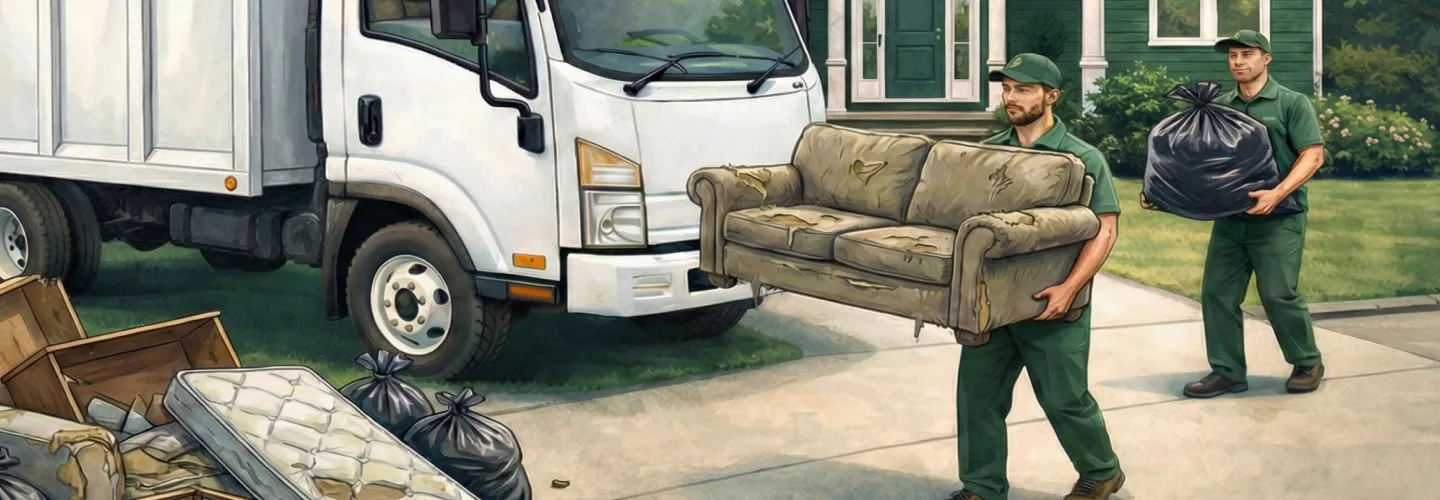
Boston Furniture Removal Services
Choose us for your furniture removal needs and experience prompt, professional service with transparent pricing—making decluttering your space easy and stress-free.
Get a Free QuoteOur Boston Junk Removal Services
Furniture Removal in Boston , MA – Local Service Guide
Furniture removal in Boston, MA, is a year-round need, driven by seasonal cleanouts, life transitions, and property upgrades. In neighborhoods like Jamaica Plain and Back Bay, residents often schedule removals during spring cleaning, post-move, or after major renovations. For residential items—such as mattresses, appliances, or hot tubs—timing can coincide with lease turnovers or citywide recycling events. Local options include donation centers, recycling programs, and municipal disposal, but access and weather (especially winter snow or narrow streets) can impact logistics. For residential spaces like basements or garages, flooding in areas like Dorchester or heavy tree coverage in Roslindale may prompt more frequent cleanouts, especially after storms or during yard waste cycles. Commercial clients in the Seaport or Downtown face unique needs: office and restaurant removals often require after-hours scheduling, discretion, and handling of larger volumes. Specialty services—such as estate, foreclosure, or construction debris removal—demand careful planning, coordination with property managers, and compliance with Boston’s local regulations.
Key Considerations for Furniture Removal in Boston
- Timing removals around city pickup schedules and weather
- Securing permits for curbside or large-volume disposals
- Choosing between donation, recycling, or landfill channels
- Navigating access in historic or densely populated neighborhoods
- Estimating volume and coordinating with removal teams
- Addressing category-specific requirements (e.g., electronics, hazardous items)
For official guidelines and resources, visit the City of Boston website.
Benefits of Furniture Removal in Boston
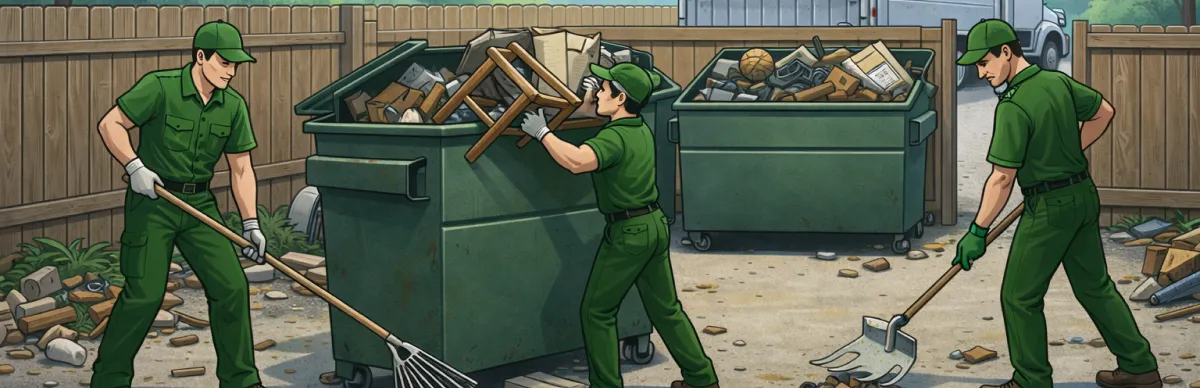
Fast and Efficient Service
Eco-Friendly Disposal Options
Experienced Removal Professionals
Flexible Scheduling
Transparent Upfront Pricing
Safe Handling of All Furniture
Coordinating Furniture Removal with Boston’s Department of Public Works Bulk Collection
Furniture removal in Boston is managed through the Department of Public Works (DPW), which provides scheduled bulk item collection for residents. To arrange a pickup, residents must submit a request online or by calling 3-1-1 at least 48 hours in advance. Each household is permitted to dispose of up to two large furniture items per week, such as sofas, tables, or mattresses. Items must be placed curbside by 7:00 AM on the scheduled collection day, and all furniture should be free of personal belongings and not blocked by vehicles. Fees may apply for certain items, and improper placement can result in code violations or fines. For self-haul options, the Boston Public Works Transfer Station at 400 Frontage Road accepts furniture Monday through Saturday, 7:00 AM to 5:00 PM, with a valid resident ID and a minimum disposal fee of $10 per load.
- Schedule bulk pickup online or by calling 3-1-1
- Limit: 2 large items per week per household
- Place items curbside by 7:00 AM on collection day
- Transfer station open Mon-Sat, 7:00 AM–5:00 PM
- Minimum disposal fee: $10 per load
Department of Public Works
1 City Hall Square, Boston, MA 02201
Phone: 3-1-1
Official Website: Department of Public Works
Boston’s Environmental Compliance: Landfill Bans and Recycling Mandates for Furniture
Boston enforces strict environmental compliance for furniture disposal, in line with Massachusetts’ landfill bans and recycling mandates. The Massachusetts Department of Environmental Protection (MassDEP) prohibits the disposal of certain items, including mattresses, electronics, and appliances, in landfills. Residents must ensure that mattresses and box springs are recycled through approved programs, and electronics must be taken to designated e-waste collection sites. Furniture containing hazardous materials, such as lead paint or mercury switches, requires special handling and may not be accepted in regular bulk collection. Violations of these regulations can result in fines ranging from $100 to $500 per incident. For more information on state landfill bans and recycling requirements, consult the Massachusetts Department of Environmental Protection.
- Mattresses and electronics banned from landfill disposal
- Use approved recycling programs for mattresses and e-waste
- Hazardous materials require special handling
- Fines for improper disposal: $100–$500 per incident
- Statewide recycling mandates enforced by MassDEP
Massachusetts Department of Environmental Protection
One Winter Street, Boston, MA 02108
Phone: (617) 292-5500
Official Website: Massachusetts Department of Environmental Protection
Permitting and Legal Requirements for Furniture Removal in Boston
Proper permitting is essential for furniture removal activities in Boston, especially when using removal trucks or dumpsters on public streets. The Department of Public Works requires a right-of-way permit for any vehicle or container placed on city property, with fees typically ranging from $50 to $200 depending on duration and location. Applications must be submitted at least five business days in advance, and permits are valid for up to 14 days. In historic districts or multi-family buildings, additional approvals from the Boston Landmarks Commission or building management may be necessary. Commercial haulers must be licensed and provide proof of insurance. Failure to obtain required permits can result in removal delays, fines, or code enforcement actions.
- Right-of-way permit required for street placement
- Permit fees: $50–$200, valid up to 14 days
- Submit applications 5 business days in advance
- Additional approvals for historic districts/buildings
- Commercial haulers must be licensed and insured
Department of Code Enforcement
1 City Hall Square, Boston, MA 02201
Phone: (617) 635-3850
Official Website: Department of Code Enforcement
Safe Handling and Material Separation Standards for Furniture Disposal in Boston
Boston requires adherence to safety and material separation standards during furniture removal to protect workers, residents, and the environment. Items from buildings constructed before 1978 may contain lead paint or asbestos, necessitating compliance with the EPA Lead-Safe Renovation Rule and state hazardous waste regulations. Furniture must be separated from electronics, mattresses, and appliances, as these require specialized recycling. Heavy lifting should be performed using proper equipment, and stairwell or elevator access must be coordinated with building management. The Department of Public Health recommends using certified professionals for hazardous material handling and mandates the use of personal protective equipment (PPE) for all workers involved in removal operations.
- Separate furniture from electronics, mattresses, and appliances
- Follow EPA lead-safe practices for pre-1978 buildings
- Use proper lifting equipment and PPE
- Coordinate access with building management
- Certified professionals required for hazardous materials
Department of Public Health
1010 Massachusetts Avenue, Boston, MA 02118
Phone: (617) 534-5395
Official Website: Department of Public Health
What Neighborhoods Do We Serve Throughout Boston, MA?
- Back Bay: Characterized by historic brownstones and narrow alleys, Back Bay often requires advance scheduling and smaller removal vehicles due to limited street access and parking restrictions.
- South Boston: A mix of multi-family homes and new developments, South Boston frequently necessitates coordination with building management for elevator access and compliance with HOA disposal rules.
- Dorchester: As Boston’s largest neighborhood, Dorchester features a variety of building types, including walk-ups and single-family homes, with curbside placement and early morning scheduling recommended for efficient service.
- Beacon Hill: Noted for its steep, narrow streets and historic status, Beacon Hill may require special permits and manual handling for furniture removal, especially in stairwell-only buildings.
- Jamaica Plain: With a blend of older homes and modern apartments, Jamaica Plain often involves driveway or alley access, and residents should verify transfer station hours for self-haul options.
- Allston-Brighton: High student turnover and frequent move-outs in Allston-Brighton create peak demand for furniture removal, with emphasis on bulk pickup scheduling and compliance with city disposal limits.
- Roxbury: Featuring both residential and commercial properties, Roxbury may require coordination for large-scale removals and adherence to city code enforcement for proper curbside placement.