
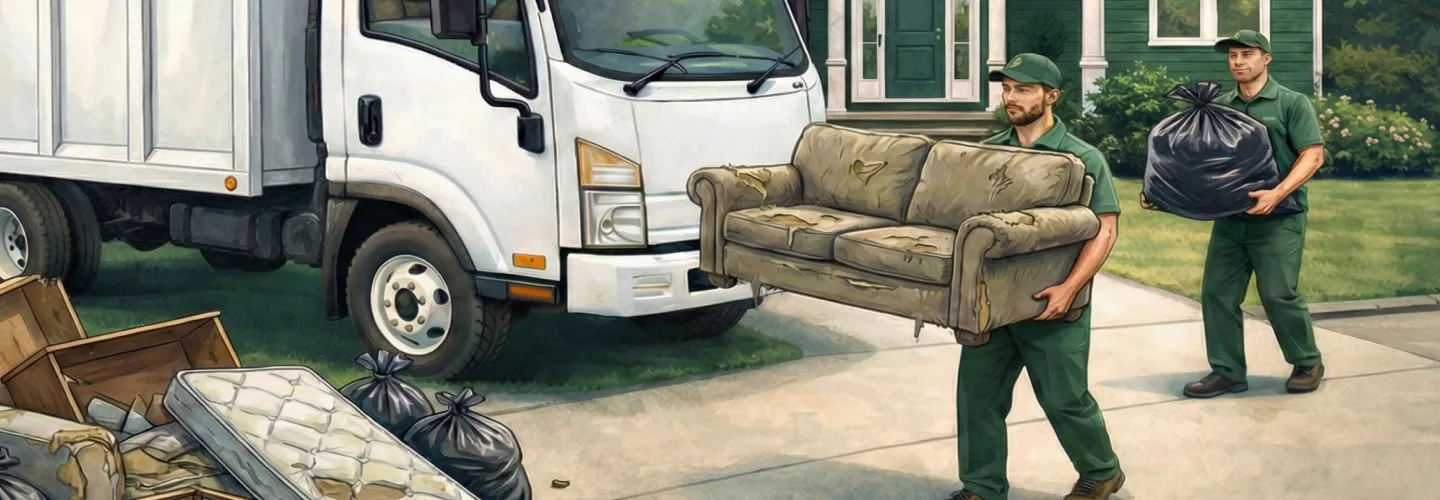
Boston Property Management Junk Removal Services
Choose our Property Management Junk Removal for reliable, hassle-free service that keeps your properties clean, compliant, and ready for new tenants—saving you time and ensuring peace of mind.
Get a Free QuoteOur Boston Junk Removal Services
Property Management Junk Removal in Boston, MA – Local Service Guide
Property management junk removal in Boston, MA, requires a tailored approach to address the city’s diverse neighborhoods and property types. In areas like Back Bay and Dorchester, residential items such as furniture, mattresses, and appliances are often removed during seasonal cleanouts, tenant turnovers, or after major life events. Local disposal options include donation centers, recycling facilities, and city-approved waste sites, but logistics can be challenging due to narrow streets, weather, and building access. For residential spaces like garages, basements, and yards, spring and fall cleanups are common, especially in flood-prone zones or tree-lined streets. Commercial properties in the Seaport District or Fenway face unique needs—restaurants and offices require discreet, timely removal to minimize disruption, while construction and property management sectors handle larger volumes and strict schedules. Specialty services, such as foreclosure or estate cleanouts, demand careful planning and coordination, particularly in historic or multi-unit buildings.
Key Considerations for Property Management Junk Removal in Boston
- Timing around move-outs, renovations, and seasonal changes
- Required permits and adherence to local rules and resources
- Proper disposal channels: donation, recycling, or landfill
- Navigating access in dense neighborhoods and historic properties
- Managing volume and category-specific items
- Coordination with building management and city schedules
Benefits of Property Management Junk Removal in Boston
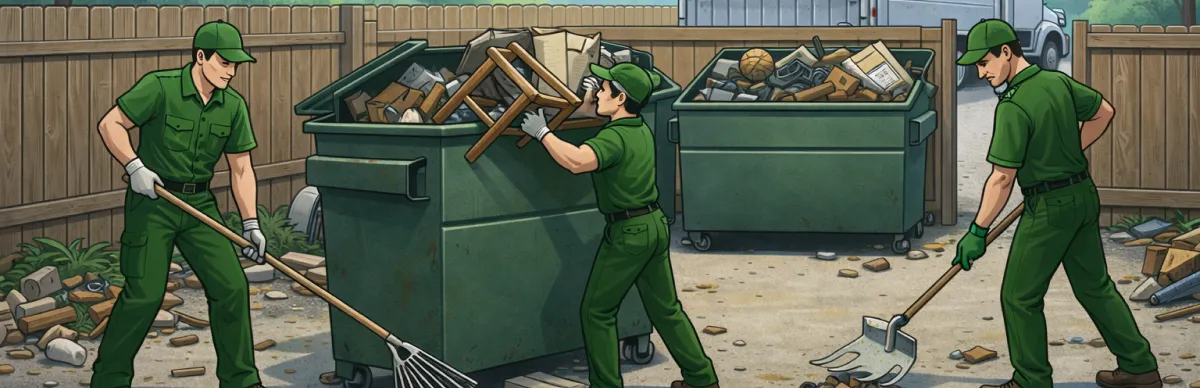
Fast Turnaround Times
Reliable Scheduling
Licensed and Insured Team
Eco-Friendly Disposal
Flexible Service Options
Competitive Pricing
Coordinating Property Management Junk Removal with Boston’s Public Works and Solid Waste Programs
Property managers in Boston must adhere to city-specific protocols for junk removal, particularly when disposing of large or bulk items. The Department of Public Works (DPW) oversees bulk waste collection, which requires advance scheduling by calling 3-1-1 or using the city’s online request system. Bulk item pickups are limited to one scheduled collection per property per week, with a maximum of 10 items per pickup. Items must be placed curbside by 6:00 AM on the scheduled day, and certain materials—such as construction debris and hazardous waste—are not accepted through regular collection. For self-haul disposal, the Boston Public Works Transfer Station at 400 Frontage Road operates Monday through Saturday, 7:00 AM to 5:00 PM, and charges $35 per ton (minimum $10 fee). Proof of Boston residency is required for access.
- Schedule bulk pickups via 3-1-1 or the Boston DPW website
- Maximum 10 items per pickup; curbside placement by 6:00 AM
- Transfer station open Mon-Sat, 7:00 AM–5:00 PM; $35/ton fee
- Construction debris and hazardous waste not accepted in regular pickups
- Proof of residency required for transfer station access
Department of Public Works
1 City Hall Square, Boston, MA 02201
Phone: 3-1-1
Official Website: Department of Public Works
Boston’s Environmental Compliance: Landfill Bans, Recycling Mandates, and Hazardous Waste Rules
Boston property managers must comply with Massachusetts’ strict landfill bans and recycling mandates. The Massachusetts Department of Environmental Protection (MassDEP) prohibits disposal of electronics (e-waste), mattresses, appliances with refrigerants, and yard waste in landfills. All electronics—including TVs, computers, and monitors—must be recycled through approved programs. Mattresses are banned from disposal and must be recycled at designated facilities. Appliances require certified refrigerant removal before disposal, in accordance with EPA Section 608 regulations. Hazardous materials such as paint, chemicals, and batteries must be brought to the Boston Household Hazardous Waste Drop-Off events, held several times per year at city-designated locations. Violations of landfill bans can result in fines of $100–$500 per incident.
- Electronics, mattresses, and yard waste banned from landfill disposal
- E-waste recycling required at approved drop-off sites
- Appliances need refrigerant removal by certified technicians
- Hazardous waste accepted only at city drop-off events
- Fines for improper disposal: $100–$500 per violation
Massachusetts Department of Environmental Protection
One Winter Street, Boston, MA 02108
Phone: (617) 292-5500
Official Website: Massachusetts Department of Environmental Protection
Permit, Access, and Code Enforcement Requirements for Junk Removal in Boston Properties
Proper junk removal in Boston often requires coordination with city agencies for permits and code compliance. Right-of-way permits are mandatory for placing removal trucks or dumpsters on public streets, with applications processed by the Department of Public Works. Permit fees typically range from $50 to $200, and processing takes 3–7 business days. In historic districts or multi-family buildings, additional approvals from the Boston Landmarks Commission or building management may be necessary. Code enforcement officers may inspect properties for illegal dumping or improper storage of bulk waste, with violations subject to fines. For renovations or large-scale cleanouts, building permits may be required from the Inspectional Services Department. Always verify permit requirements before scheduling removal to avoid delays or penalties.
- Right-of-way permits required for street placement of trucks/dumpsters
- Permit fees: $50–$200; 3–7 business day processing
- Historic districts/buildings may need extra approvals
- Code enforcement inspects for illegal dumping
- Building permits required for renovation debris removal
Inspectional Services Department
1010 Massachusetts Avenue, Boston, MA 02118
Phone: (617) 635-5300
Official Website: Inspectional Services Department
Recycling and Material Recovery Options for Property Managers in Boston
Boston offers a range of recycling and material recovery programs to support environmentally responsible junk removal. Electronics must be brought to city-sponsored e-waste collection events or designated recycling centers. Mattresses and box springs are accepted at the Boston Public Works Transfer Station for recycling, with a $30 per unit fee. Appliances containing refrigerants require removal by a licensed technician before drop-off. Scrap metal, clean wood, and cardboard can be recycled at the transfer station at no additional charge. Donation partnerships with local organizations, such as Habitat for Humanity ReStore, allow for reuse of furniture and building materials. Property managers should separate recyclable materials from general waste to comply with city diversion goals and avoid contamination fees.
- E-waste accepted at city collection events and recycling centers
- Mattress recycling: $30 per unit at transfer station
- Appliances: refrigerant removal required before disposal
- Scrap metal, wood, cardboard recycled at no extra cost
- Furniture/building materials can be donated for reuse
Boston Public Works Transfer Station
400 Frontage Road, Boston, MA 02118
Phone: (617) 635-7573
Official Website: Department of Public Works
What Neighborhoods Do We Serve Throughout Boston, MA?
- Back Bay: Characterized by historic brownstones and narrow alleys, Back Bay often requires advance planning for truck access and right-of-way permits. Many buildings lack elevators, making stairwell navigation essential for junk removal.
- South Boston: A mix of multi-family homes and new developments, South Boston frequently faces parking constraints and requires coordination with building management for service elevator access and tenant notifications.
- Dorchester: Boston’s largest neighborhood, Dorchester includes single-family homes and large apartment complexes. Bulk pickups are common during move-out periods, and driveway access varies widely.
- Beacon Hill: Known for its narrow, cobblestone streets and historic status, Beacon Hill often restricts large vehicle access and mandates special permits for removal activities. Advance scheduling is critical.
- Allston-Brighton: With a high concentration of student housing, Allston-Brighton experiences frequent turnover and large-scale cleanouts, especially at semester’s end. Curbside placement and adherence to city pickup schedules are essential.
- Jamaica Plain: Featuring a mix of older homes and modern condos, Jamaica Plain may require driveway protection and careful handling of materials in properties with limited access.
- Charlestown: Historic rowhouses and limited street parking in Charlestown necessitate early permit applications and coordination with local code enforcement to ensure compliance during junk removal operations.