
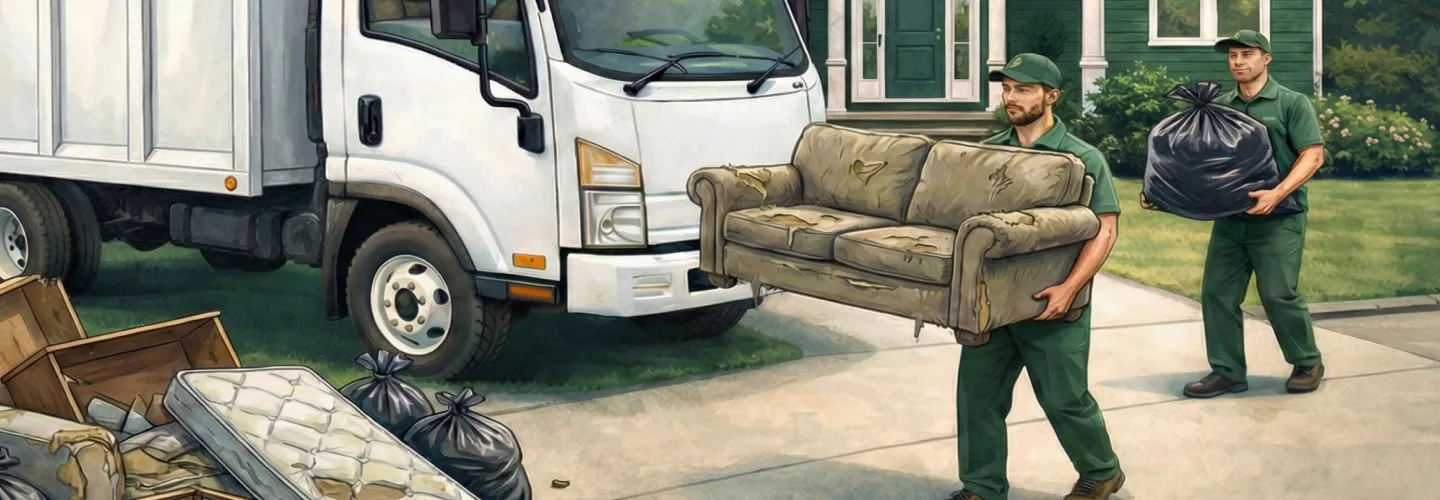
Boston Appliance Removal Services
Choose us for hassle-free appliance removal—our experienced team ensures safe, eco-friendly disposal and same-day service, making it easy to clear out your unwanted appliances with confidence.
Get a Free QuoteOur Boston Junk Removal Services
Appliance Removal in Boston, MA – Local Service Guide
Appliance removal in Boston, MA, is a year-round need, often triggered by home upgrades, seasonal cleanouts, or moving in neighborhoods like Jamaica Plain and South Boston. Residents typically replace appliances during spring cleaning or after harsh winters, while local regulations require proper disposal or recycling. Options include donation centers, city recycling programs, or professional haulers, with logistics shaped by narrow streets, weather, and building access. For residential spaces, basements and garages in flood-prone areas like Dorchester may need frequent cleanouts, especially after storms or during fall yard cycles. Commercial clients in the Seaport District or Back Bay face unique challenges—restaurants and offices often require discreet, after-hours removal with minimal disruption and compliance with local schedules. Specialty projects, such as estate cleanouts or construction debris removal, demand careful planning and coordination, especially in historic or densely populated Boston properties. For more on local rules and resources, visit the City of Boston official website.
Key Considerations for Appliance Removal in Boston
- Timing removals around weather and city pickup schedules
- Securing permits for curbside or large-item disposal
- Choosing between donation, recycling, or landfill channels
- Navigating tight access in older neighborhoods
- Estimating volume for efficient hauling
- Coordinating with building management or city services
Benefits of Appliance Removal in Boston
Fast Appliance Pickup
Eco-Friendly Disposal
Licensed and Insured Team
Upfront Transparent Pricing
Convenient Scheduling Options
Safe and Hassle-Free Service
Coordinating Appliance Removal with Boston’s Public Works and Solid Waste Programs
Proper appliance removal in Boston requires coordination with the Department of Public Works (DPW), which oversees bulk waste collection and transfer station operations. Residents must schedule curbside appliance pickups in advance, as unscheduled items may result in code violations or fines. The DPW accepts most large appliances, but certain items—such as refrigerators and air conditioners—require proof of refrigerant removal by a certified technician. Key steps include:
- Scheduling bulk pickup at least 48 hours in advance via the city’s online portal or by phone
- Placing appliances curbside by 7:00 AM on the scheduled collection day
- Ensuring all doors are removed from refrigerators and freezers for safety
- Paying applicable disposal fees (typically $20–$40 per appliance)
- Bringing a valid ID or utility bill for transfer station drop-off
Department of Public Works
1 City Hall Square, Boston, MA 02201
Phone: (617) 635-4900
Official Website: Department of Public Works
Boston’s Appliance Recycling Mandates and Environmental Compliance Requirements
Boston enforces strict recycling mandates for appliances under both city ordinances and Massachusetts state law. The Massachusetts Department of Environmental Protection (MassDEP) prohibits the disposal of major appliances in landfills, requiring that items such as refrigerators, washers, dryers, and stoves be recycled or processed for material recovery. Compliance steps include:
- Removing refrigerants from cooling appliances per EPA Section 608 regulations
- Delivering appliances to city-approved recycling centers or transfer stations
- Separating hazardous components (e.g., mercury switches, PCB capacitors) for proper handling
- Using only licensed haulers for commercial appliance removal
- Retaining documentation of proper disposal for regulatory compliance
Massachusetts Department of Environmental Protection
One Winter Street, Boston, MA 02108
Phone: (617) 292-5500
Official Website: Massachusetts Department of Environmental Protection
Permit, Access, and Legal Requirements for Appliance Removal in Boston
Appliance removal in Boston may require permits and adherence to specific legal requirements, especially for large-scale or commercial projects. The city enforces right-of-way regulations for removal trucks and mandates building access protocols in multi-unit or historic properties. Key considerations include:
- Obtaining a right-of-way permit for truck parking or street access (fees typically $50–$150)
- Reserving service elevators or loading docks in advance for high-rise buildings
- Complying with noise ordinances (work hours generally 7:00 AM–7:00 PM)
- Securing building management approval for interior removals
- Following historic district guidelines for exterior work
Building Department
1 City Hall Square, Boston, MA 02201
Phone: (617) 635-5300
Official Website: Building Department
Prohibited Items and Special Handling for Appliance Disposal in Boston
Boston and Massachusetts law prohibit certain items from regular waste streams and require special handling for appliances containing hazardous materials. Residents and businesses must ensure compliance to avoid fines and environmental harm. Prohibited and regulated items include:
- Appliances with refrigerants (must be professionally evacuated)
- Units containing mercury switches or PCB capacitors
- Electronics (subject to state e-waste landfill ban)
- Lead-acid batteries and fluorescent lighting (must be recycled separately)
- Oil-filled heaters and other hazardous components
Improper disposal may result in code violations and contamination fees. For hazardous waste, use the city’s designated drop-off events or facilities.
Department of Public Works
1 City Hall Square, Boston, MA 02201
Phone: (617) 635-4900
Official Website: Department of Public Works
What Neighborhoods Do We Serve Throughout Boston, MA?
- Back Bay: Historic brownstones and narrow alleys require careful planning for appliance removal. Service elevator reservations and parking permits are often necessary for multi-story buildings.
- South Boston: Dense residential blocks with limited curb space mean early scheduling is essential. Many homes are multi-family units with stair-only access, impacting removal logistics.
- Dorchester: A mix of single-family homes and large apartment complexes. Driveway access is common, but older buildings may have narrow stairwells and require special handling for large appliances.
- Jamaica Plain: Tree-lined streets and older housing stock present challenges for truck access and appliance maneuvering. Coordination with building management is often needed.
- Allston: High student turnover and frequent move-outs create peak demand for appliance removal, especially at semester’s end. Street parking restrictions may apply.
- Charlestown: Historic district regulations may require advance notice and special permits. Many properties have limited street frontage and tight access points.
- Roxbury: Diverse building types, from triple-deckers to new developments. Some areas require coordination with property managers for access and compliance with local disposal rules.