
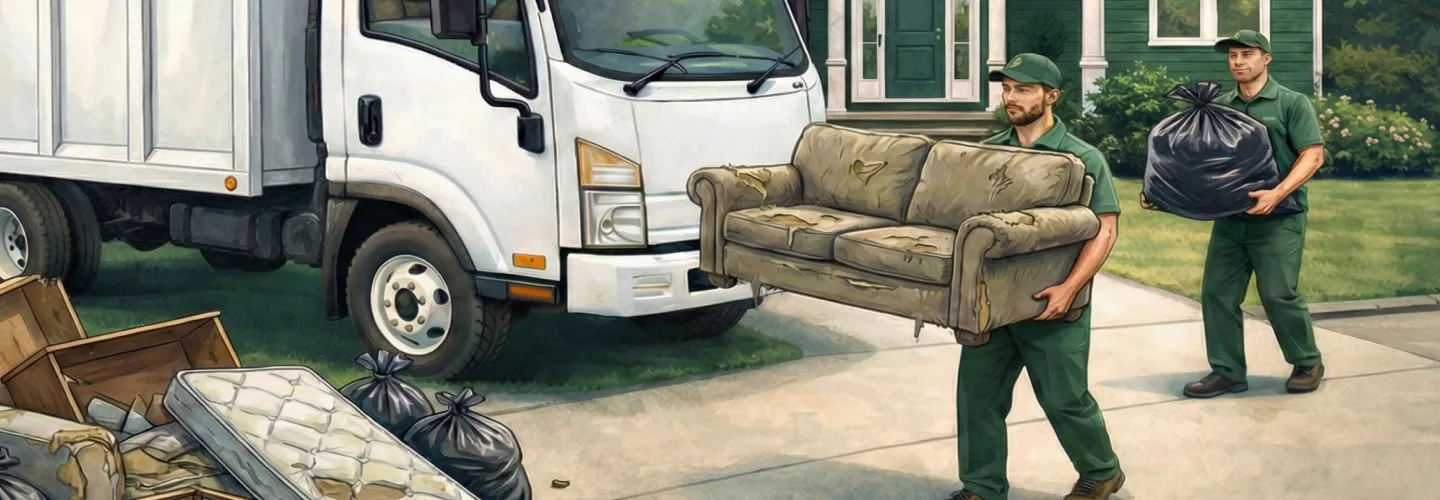
Boston Construction Debris Removal Services
Choose our construction debris removal for fast, reliable service that keeps your site safe, compliant, and clutter-free—so you can focus on building, not cleaning.
Get a Free QuoteOur Boston Junk Removal Services
Construction Debris Removal in Boston , MA – Local Service Guide
Construction debris removal in Boston, MA is essential for maintaining safe, clean properties—whether you’re renovating a brownstone in Back Bay, clearing out a South Boston condo, or managing a commercial build in the Seaport District. For residential items like old appliances, mattresses, or hot tubs, removal often coincides with seasonal upgrades, moving, or post-storm cleanouts. Neighborhoods with tight access or historic layouts may require special logistics, especially during winter or rainy seasons. Residents can often donate or recycle items, but larger loads may need professional hauling due to city disposal rules.
For residential spaces such as garages, basements, or yards, spring and fall cleanouts are common, especially in flood-prone or tree-heavy areas like Jamaica Plain. Commercial clients—offices, restaurants, and property managers—face unique needs, from after-hours removals in Downtown Crossing to high-volume clearouts in warehouse districts. Specialty services, including dumpster rentals or estate cleanouts, require careful planning and coordination, particularly for foreclosures or hoarding cases. Always check Boston’s official city website for up-to-date disposal guidelines and permit requirements.
Key Considerations for Construction Debris Removal in Boston
- Timing around weather, renovations, or move-outs
- Required city permits for curbside or large-scale disposal
- Approved disposal and recycling channels
- Access challenges in historic or dense neighborhoods
- Volume and category-specific handling (e.g., hazardous, bulky items)
- Coordination with local schedules and regulations
Benefits of Construction Debris Removal in Boston
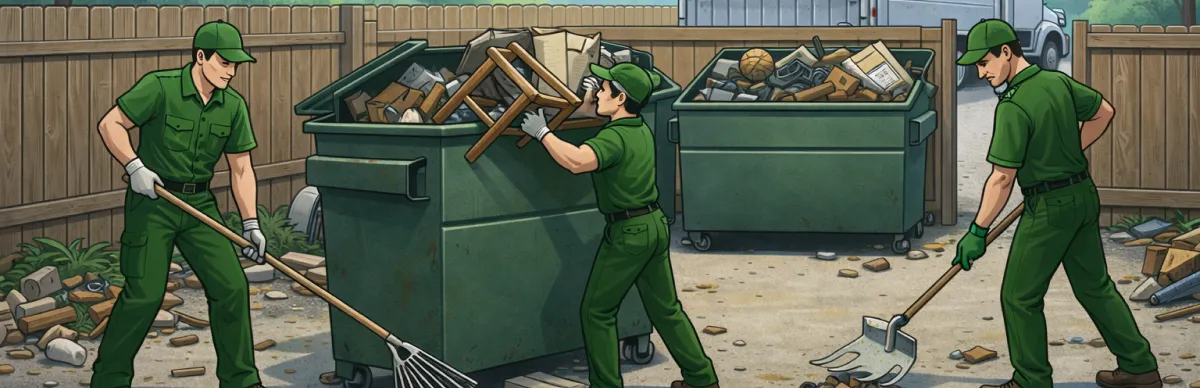
Fast Debris Cleanup
Eco-Friendly Disposal
Improved Site Safety
Regulation Compliance
Cost-Effective Solutions
Flexible Scheduling
Coordinating Construction Debris Removal with Boston’s Public Works and Solid Waste Programs
Construction debris removal in Boston is regulated by the Department of Public Works (DPW), which oversees solid waste management and enforces strict guidelines for construction and demolition (C&D) waste. All contractors and property owners must comply with city requirements for debris separation, disposal, and recycling. Key procedures include:
- Scheduling debris drop-off at the Boston Public Works transfer station (400 Frontage Road; open Monday–Saturday, 7:00 AM–5:00 PM; resident permit required)
- Paying disposal fees (typically $35 per ton, with a $10 minimum)
- Separating recyclable materials (wood, metal, concrete) from general waste
- Adhering to bulk waste collection schedules for large projects
- Ensuring all debris is placed curbside by 6:00 AM on collection day
Department of Public Works
1 City Hall Square, Boston, MA 02201
Phone: (617) 635-4900
Official Website: Department of Public Works
Failure to follow these procedures may result in code violations or fines. For more details, consult the Boston Public Works Solid Waste page.
Understanding Boston’s Construction Debris Recycling Mandates and Landfill Bans
Boston enforces Massachusetts state landfill bans on many construction materials, requiring recycling or special handling for items such as asphalt, brick, concrete, metal, and clean wood. The city’s recycling mandates are designed to reduce landfill use and promote material recovery. Key requirements include:
- Recycling all clean wood, metal, and concrete debris per Massachusetts Waste Bans
- Prohibiting landfill disposal of asphalt, brick, and concrete (ABC) materials
- Using licensed recycling facilities for C&D waste
- Documenting recycling and disposal through weight tickets or manifests
- Participating in city or state-sponsored recycling programs when available
Massachusetts Department of Environmental Protection
1 Winter Street, Boston, MA 02108
Phone: (617) 292-5500
Official Website: Massachusetts Department of Environmental Protection
Violations of recycling mandates can result in fines or project delays. For a full list of banned materials and recycling requirements, visit the MassDEP Waste Disposal Bans page.
Navigating Permits and Legal Requirements for Construction Debris Removal in Boston
Proper permitting is essential for construction debris removal in Boston. The city requires permits for right-of-way use, building access, and certain demolition activities. Contractors and property owners must:
- Obtain a right-of-way permit for debris removal vehicles blocking streets or sidewalks (apply at least 5 business days in advance)
- Secure building permits for renovation or demolition projects generating significant debris
- Coordinate with the Inspectional Services Department for code compliance
- Adhere to historic district or HOA requirements for debris handling
- Maintain proof of commercial hauler licensing and insurance
Inspectional Services Department
1010 Massachusetts Avenue, Boston, MA 02118
Phone: (617) 635-5300
Official Website: Inspectional Services Department
Permit fees and application forms are available on the City of Boston website. Failure to secure proper permits may result in stop-work orders or fines.
Ensuring Safe Handling and Environmental Compliance for Hazardous Construction Materials
Boston enforces strict safety and environmental standards for hazardous construction debris, including lead paint, asbestos, and chemicals. All removal activities must comply with federal, state, and local regulations. Key safety and compliance steps include:
- Conducting lead and asbestos surveys for pre-1980 buildings
- Using licensed abatement contractors for hazardous material removal
- Following EPA Lead-Safe Renovation Rule protocols
- Disposing of hazardous waste at designated facilities (not in regular trash)
- Providing worker training and personal protective equipment (PPE)
Boston Public Health Commission
1010 Massachusetts Avenue, Boston, MA 02118
Phone: (617) 534-5395
Official Website: Boston Public Health Commission
Improper handling of hazardous materials can result in severe penalties. For guidance, consult the Massachusetts Department of Environmental Protection and the EPA Region 1.
What Neighborhoods Do We Serve Throughout Boston, MA?
- Back Bay: Characterized by historic brownstones and narrow alleys, Back Bay projects often require careful planning for debris removal due to limited street access and strict historic district regulations.
- South Boston: A mix of older homes and new developments, South Boston frequently presents challenges with on-street parking and requires advance coordination for right-of-way permits and bulk debris pickup.
- Dorchester: Boston’s largest neighborhood, Dorchester includes multi-family buildings and commercial properties, necessitating attention to building access, stairwell navigation, and compliance with city recycling mandates.
- Jamaica Plain: Known for its older housing stock and active community associations, Jamaica Plain projects may involve lead paint or asbestos concerns and require adherence to local environmental standards.
- Roxbury: With a combination of historic structures and modern apartments, Roxbury often requires coordination with building management and careful scheduling to avoid peak traffic times.
- Charlestown: Narrow streets and historic preservation requirements in Charlestown demand specialized debris handling and strict compliance with city permitting processes.
- Allston-Brighton: High student turnover and dense multi-unit housing in Allston-Brighton create frequent demand for construction debris removal, with emphasis on timely scheduling and recycling compliance.