
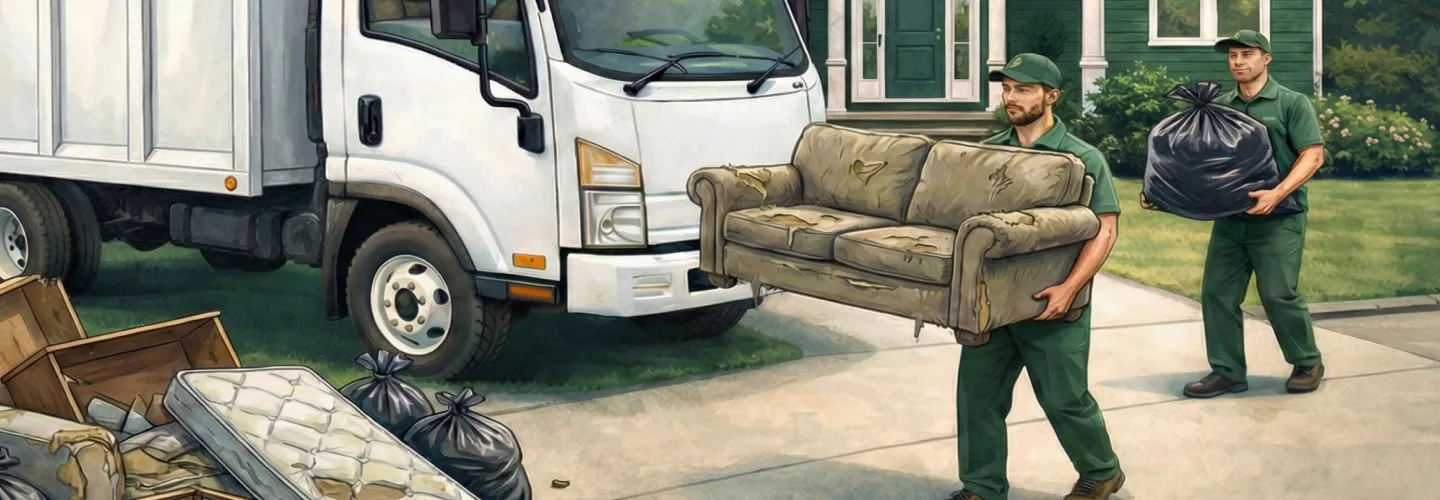
Boston Storage Unit Cleanout Services
Choose our Storage Unit Cleanout service for fast, reliable, and hassle-free removal—so you can enjoy a clean, organized space without lifting a finger.
Get a Free QuoteOur Boston Junk Removal Services
Storage Unit Cleanout in Boston, MA – Local Service Guide
Storage unit cleanouts in Boston, MA, require local expertise to navigate city-specific logistics, weather, and disposal options. For residential items like furniture, mattresses, and appliances, cleanouts often coincide with spring moves, college transitions in Allston, or estate changes in Jamaica Plain. Donating or recycling is encouraged, but some items—like hot tubs or pianos—may need special handling due to size or access challenges, especially during snowy winters. For residential spaces such as garages or basements, cleanouts spike after storms or during fall yard cycles, with neighborhoods like Dorchester facing unique flooding or tree coverage issues. Commercial clients in the Seaport or Back Bay often need discreet, after-hours service for offices or retail spaces, with larger volumes and strict operational timelines. Specialty cleanouts—like foreclosures or construction debris—require careful planning, coordination with property managers, and adherence to Boston’s disposal regulations.
Benefits of Storage Unit Cleanout in Boston

Fast and Efficient Cleanouts
Experienced Local Team
Eco-Friendly Disposal
Flexible Scheduling Options
Transparent Upfront Pricing
Hassle-Free Service Guarantee
Coordinating Storage Unit Cleanout with Boston’s Public Works and Solid Waste Programs
Proper storage unit cleanout in Boston requires adherence to city-managed waste disposal protocols. The Department of Public Works (DPW) oversees bulk waste collection, transfer station access, and enforcement of prohibited item regulations. Residents and businesses must schedule bulk item pickups at least 48 hours in advance, with a maximum of two cubic yards or 200 pounds per collection. Items must be placed curbside by 6:00 AM on the scheduled day, and improper placement may result in code violations. The Boston DPW also operates transfer stations, open Monday through Saturday from 7:00 AM to 5:00 PM, where self-haul disposal is permitted with a valid resident ID and payment of a $35 per ton fee (minimum $10). Key requirements include:
- Scheduling bulk pickups in advance
- Adhering to item and weight limits
- Using approved transfer stations for self-haul
- Paying applicable disposal fees
- Following city guidelines for curbside placement
Department of Public Works
1 City Hall Square, Boston, MA 02201
Phone: (617) 635-4500
Official Website: Department of Public Works
Boston’s Environmental Compliance: Landfill Bans, Recycling Mandates, and Hazardous Waste Rules
Boston enforces strict environmental regulations for storage unit cleanouts, reflecting both city ordinances and Massachusetts state law. The city prohibits landfill disposal of electronics (e-waste), mattresses, appliances with refrigerants, and hazardous materials such as paint, chemicals, and batteries. Residents must utilize designated recycling programs or hazardous waste facilities for these items. Massachusetts’ Solid Waste Master Plan mandates recycling of CRT monitors, mercury-added products, and certain appliances. Violations can result in fines of $250–$500 per incident. Key compliance steps include:
- Separating e-waste and hazardous materials from general waste
- Using city or state-approved recycling drop-off locations
- Ensuring refrigerant recovery from appliances
- Avoiding landfill disposal of banned items
- Consulting the Massachusetts Department of Environmental Protection for current regulations
Massachusetts Department of Environmental Protection
1 Winter Street, Boston, MA 02108
Phone: (617) 292-5500
Official Website: Massachusetts Department of Environmental Protection
Permits, Building Access, and Legal Requirements for Storage Unit Cleanout in Boston
Storage unit cleanout projects in Boston may require coordination with city agencies for legal compliance, especially in multi-story buildings or historic districts. Right-of-way permits are necessary for parking removal trucks on public streets, with fees typically ranging from $50–$150 and a processing time of 3–5 business days. Building managers may require a certificate of insurance (COI) and advance notice for elevator or loading dock use. In historic districts, additional approvals may be needed to protect architectural features. Key legal requirements include:
- Obtaining right-of-way permits for truck parking
- Coordinating with building management for access
- Providing COI and scheduling service elevator use
- Complying with historic district or HOA restrictions
- Adhering to city noise ordinances (work hours 7:00 AM–7:00 PM)
Department of Code Enforcement
1 City Hall Square, Boston, MA 02201
Phone: (617) 635-3850
Official Website: Department of Code Enforcement
Material Sorting, Special Handling, and Safety Standards for Boston Storage Unit Cleanouts
Boston mandates careful sorting and handling of materials during storage unit cleanouts to ensure safety and regulatory compliance. Items must be separated into categories such as recyclables, hazardous waste, and general refuse. Pre-1978 buildings may contain lead paint or asbestos, requiring certified abatement contractors and adherence to EPA Lead-Safe Renovation Rule. OSHA standards apply to worker safety, including use of personal protective equipment (PPE) and safe lifting practices. Key safety and handling protocols include:
- Sorting materials by type (recyclables, hazardous, general waste)
- Using certified contractors for lead/asbestos abatement
- Following OSHA safety guidelines for lifting and PPE
- Scheduling hazardous waste drop-off at city facilities
- Documenting disposal of regulated materials
Department of Health and Human Services
1010 Massachusetts Avenue, Boston, MA 02118
Phone: (617) 534-5395
Official Website: Department of Health and Human Services
What Neighborhoods Do We Serve Throughout Boston, MA?
- Back Bay: Characterized by historic brownstones and narrow alleys, requiring careful navigation and coordination with building management for elevator or stairwell access during cleanouts.
- South Boston: Dense residential blocks with limited street parking; right-of-way permits are often needed for truck access and curbside loading.
- Dorchester: Mix of single-family homes and multi-family units; driveway access is common, but older buildings may present lead paint or asbestos concerns.
- Allston/Brighton: High student population and frequent move-outs; stairwell-only access is typical, and bulk pickups must be scheduled during peak turnover periods.
- Jamaica Plain: Diverse housing stock with both walk-ups and larger apartment complexes; parking permits and service elevator reservations may be required.
- Charlestown: Historic district status means additional restrictions on removal methods and potential need for historic commission approval.
- Roxbury: Multi-story apartment buildings and senior housing; coordination with property managers is essential for safe and compliant cleanout operations.