
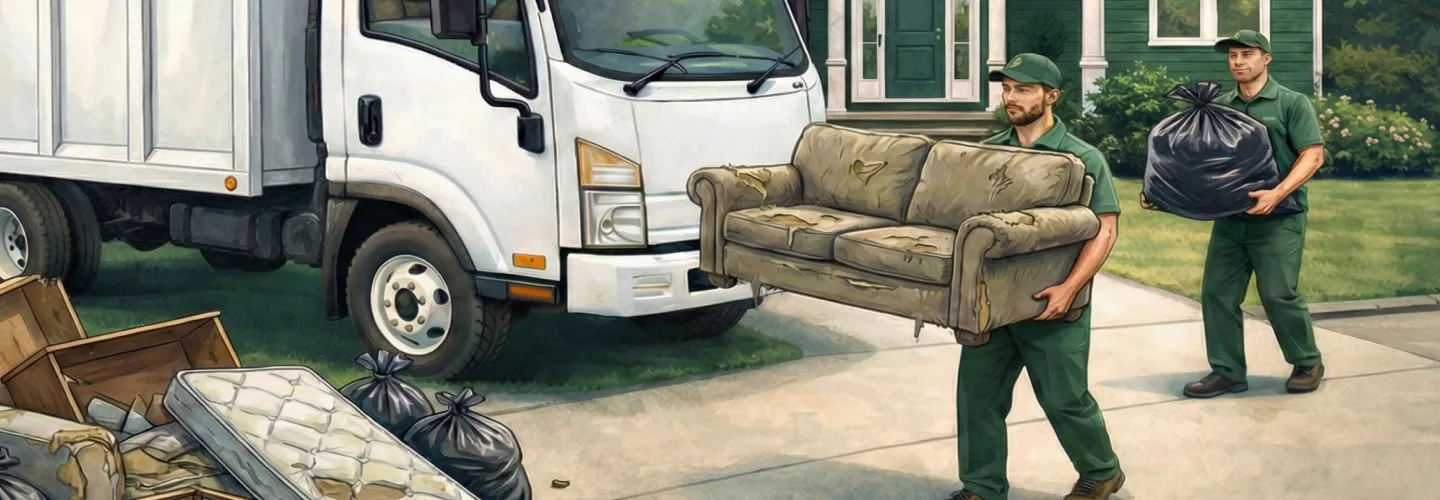
Boston Foreclosure Clean Outs Services
Choose our foreclosure clean out services for prompt, thorough, and stress-free property cleanups—ensuring your property is ready for sale or new tenants with minimal hassle.
Get a Free QuoteOur Boston Junk Removal Services
Foreclosure Clean Outs in Boston, MA – Local Service Guide
Foreclosure clean outs in Boston, MA require a strategic approach tailored to the city’s unique neighborhoods, from Dorchester’s triple-deckers to South Boston’s row houses. For residential items like furniture, appliances, and electronics, clean outs often follow property turnovers, seasonal moves, or major life events. In areas like Jamaica Plain, access and weather can impact logistics, especially during winter or rainy spring months. Donating or recycling is encouraged, but some items—like hot tubs or pianos—may require special handling. For residential spaces such as garages, basements, or yards, clean outs spike after storms or during spring and fall, particularly in flood-prone zones like East Boston. Commercial properties in the Financial District or Seaport often need rapid, discreet service to minimize business disruption, with high volumes typical for property management and construction sectors. Specialty clean outs, including foreclosures, demand careful planning, coordination with realtors or banks, and compliance with city regulations. For more on local rules and resources, visit the City of Boston’s official website.
Benefits of Foreclosure Clean Outs in Boston
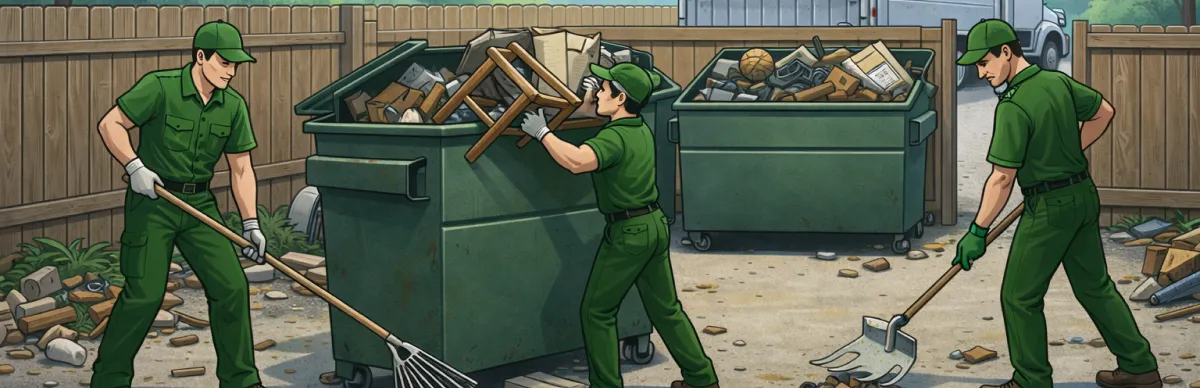
Fast Turnaround Times
Comprehensive Property Cleaning
Experienced Local Team
Eco-Friendly Disposal Solutions
Flexible Scheduling Options
Competitive Transparent Pricing
Coordinating Foreclosure Clean Outs with Boston’s Public Works and Solid Waste Programs
Foreclosure clean outs in Boston require strict adherence to city solid waste management protocols. The Department of Public Works (DPW) oversees bulk waste collection, transfer station access, and disposal fees. Bulk trash pickup for large items is available by appointment, with a limit of one cubic yard per week per property. Items must be placed curbside by 7:00 AM on collection day, and prohibited materials such as electronics and hazardous waste are not accepted. For larger volumes, residents and contractors may use the Boston Public Works Transfer Station, open Monday through Saturday, 7:00 AM to 5:00 PM, with a minimum disposal fee of $20 per load. Proof of residency or a commercial hauler license is required. Failure to comply with DPW guidelines may result in code violations or fines.
- Schedule bulk pickup by calling 3-1-1 or using the city’s online portal
- Place items curbside by 7:00 AM on collection day
- Observe item limits and prohibited materials list
- Use transfer station for large loads; bring ID and payment
- Commercial haulers must be licensed by the city
Department of Public Works
1 City Hall Square, Boston, MA 02201
Phone: (617) 635-4900
Official Website: Department of Public Works
Boston’s Environmental Compliance: Landfill Bans, Recycling Mandates, and Hazardous Waste Rules
Boston enforces Massachusetts’ solid waste regulations, including strict landfill bans on electronics, appliances, and certain construction debris. The Massachusetts Department of Environmental Protection (MassDEP) requires recycling of CRT monitors, TVs, and mercury-containing products. Mattresses and box springs are also banned from landfill disposal and must be recycled or taken to approved facilities. Hazardous materials such as paint, solvents, and batteries are prohibited from regular waste streams and must be brought to the Household Hazardous Waste Drop-Off, held monthly at designated city locations. Violations of landfill bans can result in fines of $100–$500 per incident. All clean out activities must comply with state and city recycling mandates to avoid penalties and support Boston’s waste diversion goals.
- Electronics and appliances: must be recycled, not landfilled
- Mattresses: bring to city recycling events or approved drop-off sites
- Hazardous waste: dispose at city-sponsored collection events
- Construction debris: separate for recycling where required
- Fines for non-compliance: $100–$500 per violation
Massachusetts Department of Environmental Protection
One Winter Street, Boston, MA 02108
Phone: (617) 292-5500
Official Website: Massachusetts Department of Environmental Protection
Permitting, Code Enforcement, and Legal Requirements for Foreclosure Clean Outs in Boston
Legal compliance is essential when conducting foreclosure clean outs in Boston. The city requires right-of-way permits for parking removal trucks on public streets, especially in high-density neighborhoods. Building permits may be necessary if the clean out involves demolition or renovation debris. The Inspectional Services Department (ISD) enforces code requirements, including proper waste containment, pest control, and abatement of health hazards. In historic districts, additional approvals may be needed from the Boston Landmarks Commission. Commercial haulers must maintain current licenses and insurance. Failure to secure required permits or comply with code enforcement can result in stop-work orders or fines.
- Obtain right-of-way permits for truck parking (apply 5 days in advance)
- Secure building permits for demolition-related debris
- Coordinate with ISD for code compliance inspections
- Follow historic district guidelines for exterior work
- Maintain commercial hauler licensing and insurance
Inspectional Services Department
1010 Massachusetts Avenue, Boston, MA 02118
Phone: (617) 635-5300
Official Website: Inspectional Services Department
Safe Handling and Material Separation Standards for Boston Foreclosure Clean Outs
Proper handling and separation of materials are critical for safety and regulatory compliance during foreclosure clean outs in Boston. OSHA standards require the use of personal protective equipment (PPE) when handling heavy, sharp, or hazardous items. Pre-1978 buildings may contain lead paint or asbestos, necessitating certified abatement procedures. All recyclable materials—such as metals, cardboard, and electronics—must be sorted and delivered to approved recycling centers. Large appliances require refrigerant recovery by a licensed technician before disposal. The city prohibits mixing hazardous waste with general debris, and improper handling can result in environmental violations.
- Use PPE: gloves, masks, and safety footwear
- Test for lead/asbestos in older buildings; use certified contractors
- Separate recyclables: metals, cardboard, electronics
- Arrange refrigerant recovery for appliances
- Never mix hazardous waste with regular trash
Boston Public Health Commission
1010 Massachusetts Avenue, Boston, MA 02118
Phone: (617) 534-5395
Official Website: Boston Public Health Commission
What Neighborhoods Do We Serve Throughout Boston, MA?
- Back Bay: Characterized by historic brownstones and narrow alleys, requiring careful navigation and right-of-way permits for truck access. Many buildings lack elevators, increasing the need for manual handling and stairwell safety protocols.
- Dorchester: Boston’s largest neighborhood, with a mix of single-family homes and multi-unit buildings. Bulk waste volumes are often higher, and driveway access varies, impacting equipment staging and removal logistics.
- South Boston: Dense row houses and limited street parking necessitate advance permit applications for truck parking. Proximity to the waterfront may require additional environmental precautions for debris containment.
- Jamaica Plain: Features older homes and multi-family residences, often with narrow staircases and limited curb space. Recycling compliance is emphasized due to active community environmental initiatives.
- Roxbury: Includes both historic properties and newer developments. Some areas are designated code enforcement priority zones, requiring strict adherence to city waste and health regulations during clean outs.
- Allston-Brighton: High student population and frequent move-outs result in large volumes of furniture and electronics. Service elevator reservations and building management coordination are often necessary.
- Charlestown: Historic district status means additional permitting for exterior work and strict compliance with Boston Landmarks Commission guidelines. Narrow streets and limited parking require careful logistical planning.